
As technology continues to advance, the environmental footprint of the IT industry has become an increasing concern. With data centers consuming vast amounts of energy and electronic waste piling up globally, the shift toward sustainable IT practices is not just a trend but a necessity. Companies around the world are integrating eco-friendly policies and smarter technologies to reduce waste, lower emissions and optimize energy consumption.
Organizations like IT Work Solutions are leading this movement by offering expert IT services, software development services and digital marketing services designed with sustainability at their core. Their approach demonstrates how modern technology can align with environmental responsibility while maintaining performance and profitability.
Why Sustainable IT Practices Matter in 2025
Technology drives progress, but it also generates significant carbon emissions. Data centers alone are responsible for around 1% of global electricity consumption, a figure expected to rise as businesses depend more on cloud computing and automation.
Implementing sustainable IT practices is crucial for several reasons:
- Energy efficiency: Reducing power consumption in servers, cooling systems and hardware.
- E-waste reduction: Extending the life cycle of IT equipment through recycling and repurposing.
- Cost savings: Sustainable methods lower utility bills and operational expenses.
- Corporate responsibility: Demonstrating environmental commitment builds brand trust.
By combining sustainability with innovation, IT Work Solutions proves that environmental awareness and business efficiency can go hand in hand.
Key Elements of Sustainable IT Practices
1. Green Data Centers
Data centers are at the heart of digital operations. They process enormous amounts of information and require extensive energy for cooling. Shifting to green data centers—facilities powered by renewable energy sources—has become a cornerstone of sustainable IT practices.
Companies adopting solar, wind or hydro energy are setting new standards in the IT world. Optimizing cooling systems, improving airflow and using AI for energy management are further helping to reduce emissions.
With the Market capitalization of Autodesk rising due to its investment in sustainability-driven design software, we’re seeing a growing alignment between profitability and green technology.
2. Virtualization and Cloud Optimization
Virtualization allows multiple virtual machines to run on a single physical server, dramatically reducing hardware requirements and energy use. When combined with Automatic Data Processing, cloud computing becomes even more efficient by automatically scaling resources according to demand.
For companies offering software development services, cloud optimization ensures applications run smoothly while minimizing the environmental footprint. Businesses that migrate to greener cloud platforms experience both operational savings and sustainability gains.
3. Sustainable Software Development
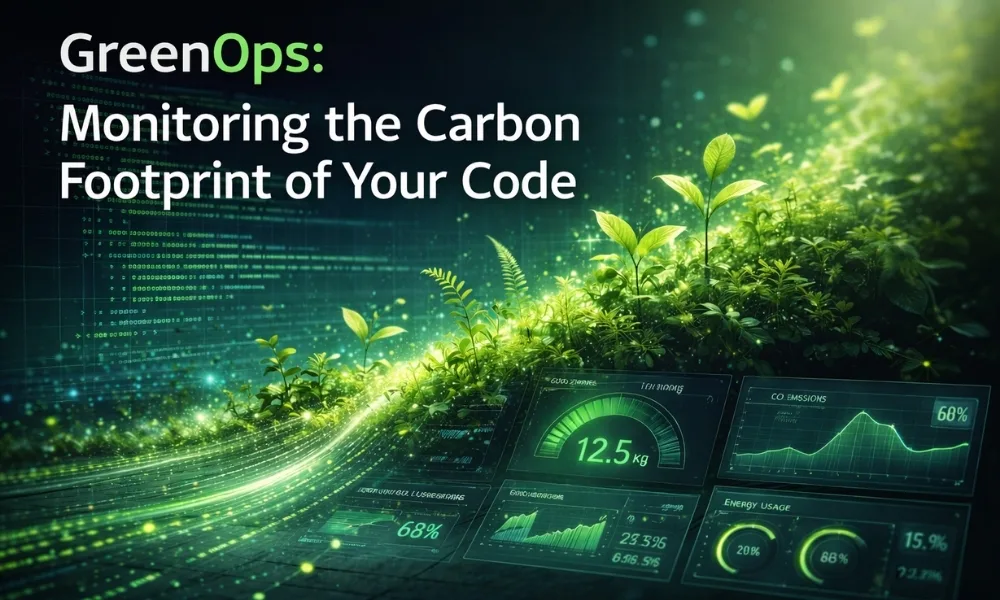
Software might seem intangible, but its design directly influences energy consumption. Efficient coding reduces CPU usage, memory load and power consumption across devices.
By integrating sustainable IT practices into software development services, developers can create solutions that are both high-performing and energy-efficient. Lightweight applications, optimized algorithms and modular designs all contribute to lower environmental impact.
The Role of AI and Automation in Sustainability
AI and automation are driving efficiency across all industries, including IT sustainability. Predictive analytics and Automatic Data Processing systems help organizations monitor power usage, detect inefficiencies and automate energy-saving measures.
AI-powered automation can manage cooling systems, allocate server loads intelligently and even predict when equipment maintenance is needed to avoid wasteful energy spikes. Through expert IT services, IT Work Solutions leverages these technologies to help companies achieve measurable sustainability goals.
Digital Marketing and Sustainable IT Practices
While digital marketing may not seem directly linked to environmental sustainability, it plays a major role in promoting awareness and digital efficiency. Digital marketing services that adopt sustainable IT practices minimize unnecessary data transfers, optimize web hosting and use eco-friendly cloud services.
For example, optimizing websites for speed and performance not only enhances user experience but also reduces server load, conserving energy. Sustainable campaigns also prioritize digital-first strategies that cut down on paper use and physical advertising waste.
📌 Green Tech: Advancing Sustainable IT for the Future
📌 Fast, Secure and Scalable: Future-Proof Web Solutions
How IT Work Solutions Promotes Green IT
IT Work Solutions integrates sustainable IT practices into every layer of its operations. Their team combines environmental responsibility with cutting-edge innovation to create IT ecosystems that perform efficiently and sustainably.
Through their expert IT services, businesses gain access to solutions that minimize carbon footprints while maintaining optimal performance. From virtual infrastructure to software development services, every product and service reflects a balance between technology and sustainability.
Their digital marketing services also advocate for eco-conscious campaigns that promote environmental values without compromising on reach or impact.
Key initiatives include:
- Transitioning to renewable-powered servers.
- Encouraging paperless workflows.
- Developing software that consumes less power.
- Implementing efficient cooling and hardware recycling programs.
These steps position IT Work Solutions as a leader in environmentally responsible innovation.
Real-World Benefits of Sustainable IT Practices
Businesses that adopt sustainable IT practices gain more than environmental credibility. The benefits extend into financial and operational performance:
- Reduced operational costs: Energy-efficient systems lower utility expenses.
- Improved brand image: Consumers and investors favor environmentally conscious companies.
- Regulatory compliance: Many regions now require sustainable IT measures for compliance.
- Future-readiness: As environmental standards tighten, green IT ensures long-term adaptability.
Sustainability is not just about doing what’s right; it’s about future-proofing business operations for resilience and competitiveness.
Future Trends in Sustainable IT
As we move through 2025, sustainable IT practices are evolving in several directions:
- Circular economy: Extending the lifespan of IT equipment through refurbishment and reuse.
- AI for sustainability: Intelligent systems analyzing environmental data for better decision-making.
- Edge computing: Reducing latency and energy waste by processing data closer to its source.
- Green coding: Designing lightweight, energy-conscious software solutions.
The convergence of these innovations ensures that sustainability remains at the forefront of technological advancement. The Market capitalization of Autodesk reflects this growing awareness, as industries embrace eco-friendly design and digital transformation strategies.
Implementing Sustainable IT Practices in Your Organization
To make your IT operations more sustainable, consider the following steps:
- Assess your current IT footprint. Evaluate energy consumption and hardware waste.
- Move to renewable energy. Choose green data centers and eco-certified cloud providers.
- Virtualize and consolidate. Use fewer servers by adopting virtualization technologies.
- Develop sustainable software. Opt for efficient coding and scalable applications.
- Collaborate with experts. Partner with companies like IT Work Solutions that specialize in expert IT services and green transformation.
Each of these steps contributes to a more resilient, cost-effective and eco-conscious IT framework.
📌 AI vs Human Intelligence: What’s the Future Ahead?
FAQs About Sustainable IT Practices
1. What are sustainable IT practices?
They are eco-friendly strategies in IT management designed to reduce energy use, minimize e-waste and improve resource efficiency.
2. How do sustainable IT practices benefit businesses?
They cut costs, boost brand reputation, ensure compliance and prepare companies for future regulations and consumer expectations.
3. How does AI help improve IT sustainability?
AI automates power management, predicts equipment needs and optimizes operations for reduced energy consumption.
4. What role does software development play in sustainability?
Efficient software design minimizes hardware load and energy use, helping systems run faster while consuming fewer resources.
5. How can IT Work Solutions help with sustainability?
Through expert IT services, software development services and digital marketing services, IT Work Solutions builds eco-friendly IT infrastructures that align with your sustainability goals.
Conclusion
Sustainability is no longer an optional corporate initiative—it’s a critical part of future business success. Adopting sustainable IT practices allows organizations to operate responsibly, reduce costs and stay competitive in a rapidly evolving digital landscape.
With industry leaders like IT Work Solutions offering expert IT services, software development services and digital marketing services, businesses can transition to greener operations without compromising innovation or performance.As technology and environmental responsibility merge, the future of IT will be defined not only by speed and efficiency but also by sustainability. Companies that embrace sustainable IT practices today are shaping a cleaner, smarter and more resilient tomorrow.