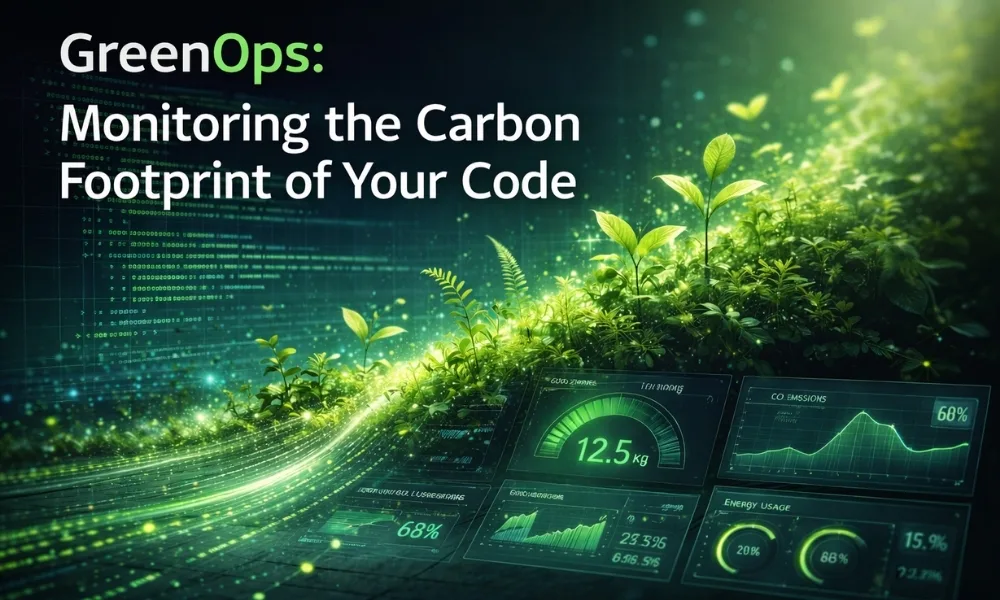

Sustainable Cloud Computing is becoming a priority as businesses look for smarter, greener and more cost-efficient ways to manage data and digital workloads. Rising energy costs, regulatory pressure and growing customer expectations are pushing firms to rethink how they use the cloud. By 2026, Sustainable Cloud Computing is shaping the way organizations design their infrastructure, optimize resources and reduce carbon footprints without compromising performance.
Companies working with IT Work Solutions, known for expert IT services, software development services and digital marketing services, are already shifting toward cleaner digital operations. With the help of cloud innovation, energy-aware architectures and smarter governance, Sustainable Cloud Computing is becoming a key pillar of future-ready technology ecosystems.
The movement is not only about using renewable energy. It touches every part of cloud strategy, including workload automation, capacity planning, resource orchestration, data lifecycle management and vendor selection. As markets become more data-driven, firms see Sustainable Cloud Computing as a strategic advantage.
Along the way, technologies such as Automatic Data Processing and insights from financial leadership data like the market capitalization of Autodesk help organizations understand the economic and operational impact of modern IT choices.
Below is a deep dive into how Sustainable Cloud Computing is reshaping business operations for 2026.
Why Sustainable Cloud Computing Matters in 2026
Sustainable Cloud Computing solves two core business needs: lower operational cost and reduced environmental impact. As infrastructure grows, the energy needed to run servers, cooling systems and data storage increases. Firms running large digital operations must now aim for efficiency at scale.
Key drivers shaping Sustainable Cloud Computing:
- Rising energy prices across global markets
- Corporate pressure to meet ESG goals
- Global shift toward clean tech
- Growing demand for cost-efficient infrastructures
- Better automation from expert IT services
- Vendor transparency on carbon reporting
Many firms that collaborate with IT Work Solutions see measurable improvements after moving into green-centric cloud structures supported by modern software development services and digital marketing services. These improvements include reduced downtime, predictable operational costs and higher trust from customers.
How Sustainable Cloud Computing Works for Modern Firms
Sustainable Cloud Computing is not limited to data centers running on renewable energy. It includes an entire ecosystem of practices and technologies that make cloud operations cleaner and smarter.
Core components include:
1. Energy-Efficient Cloud Architectures
Businesses use load balancing, auto-scaling and storage tiering to reduce waste. When computing workloads match demand precisely, energy consumption drops significantly.
2. Green Data Centers
Cloud providers are moving to renewable energy and reusing heat generated by data centers. These changes directly support Sustainable Cloud Computing at scale.
3. AI-Enabled Resource Optimization
AI helps firms understand how to allocate compute power, plan storage and reduce redundant processes.
4. Lifecycle Storage Policies
Automatically shifting unused or old files to cheaper, low-energy storage tiers helps limit environmental impact.
5. Process Automation from expert IT services
Automation reduces manual work, cuts errors and lowers the energy footprint caused by unnecessary server usage.
Firms using software development services that integrate automation frameworks see better sustainability outcomes.
Sustainable Cloud Computing and Hybrid Infrastructure
Many firms shift toward hybrid cloud strategies as they look for balance between performance and sustainability. Hybrid systems mix private cloud, on-premise setups and public cloud. This allows workloads to run in the most energy-efficient environment available.
Benefits include:
- Reduced operational waste
- Lower hardware ownership costs
- Better control of sensitive workloads
- Higher portability across cloud platforms
- Stronger governance for compliance
With IT Work Solutions guiding cloud transformation projects organizations develop balanced ecosystems supported by robust digital marketing services and managed hosting frameworks.
Role of Automation in Sustainable Cloud Computing
To reach optimal efficiency, businesses turn to automation. Automation tools can reduce computing energy usage by 20 to 40 percent, depending on workload type.
Automation supports:
- Scheduled workload execution
- Auto-scaling during peak usage
- Automatic Data Processing pipelines
- Real-time workload shifting to efficient zones
- Automatic shutdown of idle resources
Thanks to expert IT services, firms can integrate automation directly into daily operations without causing disruption.
Sustainable Cloud Computing and Cost Optimization
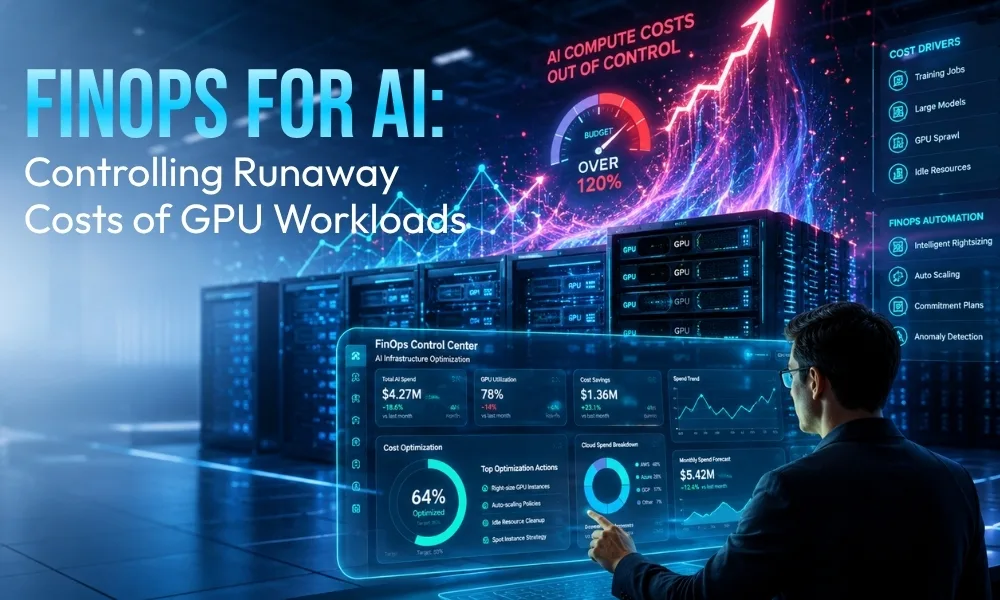
One of the biggest benefits is cost reduction. Companies avoid overpaying for unused compute power or storage. Sustainable Cloud Computing introduces resource transparency that helps firms track how much they spend and where they can save.
Cost-saving methods include:
- Serverless implementations
- Multi-zone storage optimization
- Workload automation
- Long-term storage planning
- Data lifecycle management
- Vendor contract optimization
Organizations that use software development services from teams like IT Work Solutions learn how to design applications that run efficiently to reduce waste.
Industries That Benefit the Most in 2026
Sustainable Cloud Computing impacts nearly every sector, but some benefit earlier due to data intensity.
Industries leading the shift include:
- Finance
- Healthcare
- Manufacturing
- Retail
- Logistics
- Real estate
- Digital agencies
For companies running large-scale campaigns, analytics or content operations with digital marketing services, cloud sustainability helps lower hosting overhead while improving performance.
How Firms Can Start Implementing Sustainable Cloud Computing
Transitioning to Sustainable Cloud Computing requires a step-by-step plan. Companies cannot move everything at once, but they can start by assessing the current state.
Steps for implementation:
- Audit cloud usage: Identify idle resources, duplicate storage, workload inefficiencies.
- Choose energy-aware cloud providers: Review carbon reports and compliance documentation.
- Adopt automation tools: Let the system self-regulate computer allocation.
- Use modern development frameworks: Reduce heavy coding structures through optimized infrastructure from expert IT services.
- Apply lifecycle management policies: This helps firms save cost and reduce environmental waste.
- Redesign legacy applications: With the help of software development services, firms modernize outdated apps to run efficiently.
- Integrate analytics: Use dashboards to track performance, sustainability metrics and cost.
Future of Sustainable Cloud Computing Beyond 2026
By 2026, Sustainable Cloud Computing will evolve further with breakthroughs in automation, AI and edge solutions.
Expected advancements:
- More intelligent load balancing
- Deeper integration of AI in cloud orchestration
- Stronger governance standards
- Predictive workload forecasting
- Cleaner global data center networks
- Smart monitoring across hybrid clouds
- Integration with industry-wide sustainability scoring
As firms grow, sustainability will shift from a “good to have” to a mandatory operational requirement.
FAQs About Sustainable Cloud Computing
Q1. What is Sustainable Cloud Computing?
It is a model that reduces environmental impact by optimizing cloud energy use and resource efficiency.
Q2. Why is it important for firms in 2026?
It helps reduce energy costs, supports ESG goals and improves long-term operational efficiency.
Q3. Can small businesses adopt Sustainable Cloud Computing?
Yes, small firms can use automation, green hosting and optimized storage to reduce cost and waste.
Q4. How does automation support cloud sustainability?
Automation cuts idle resource usage, schedules workloads and prevents unnecessary compute operations.
Q5. Is Sustainable Cloud Computing expensive?
Most firms save money because the model reduces consumption and eliminates waste.
Conclusion
Sustainable Cloud Computing is redefining how businesses handle infrastructure, storage and data operations. With the right mix of automation, AI and modern architecture, firms can lower their environmental impact while improving performance and reducing cost. As global markets grow more conscious, companies that embrace Sustainable Cloud Computing early will gain a competitive advantage.Working with teams like IT Work Solutions, who specialize in expert IT services, software development services and digital marketing services, helps businesses build cloud strategies that are efficient, scalable and environmentally responsible. With careful planning and the right tools, Sustainable Cloud Computing can become a foundation for long-term digital growth in 2026 and beyond.